How Yoga Helps Improve Decision-Making and Mental Clarity
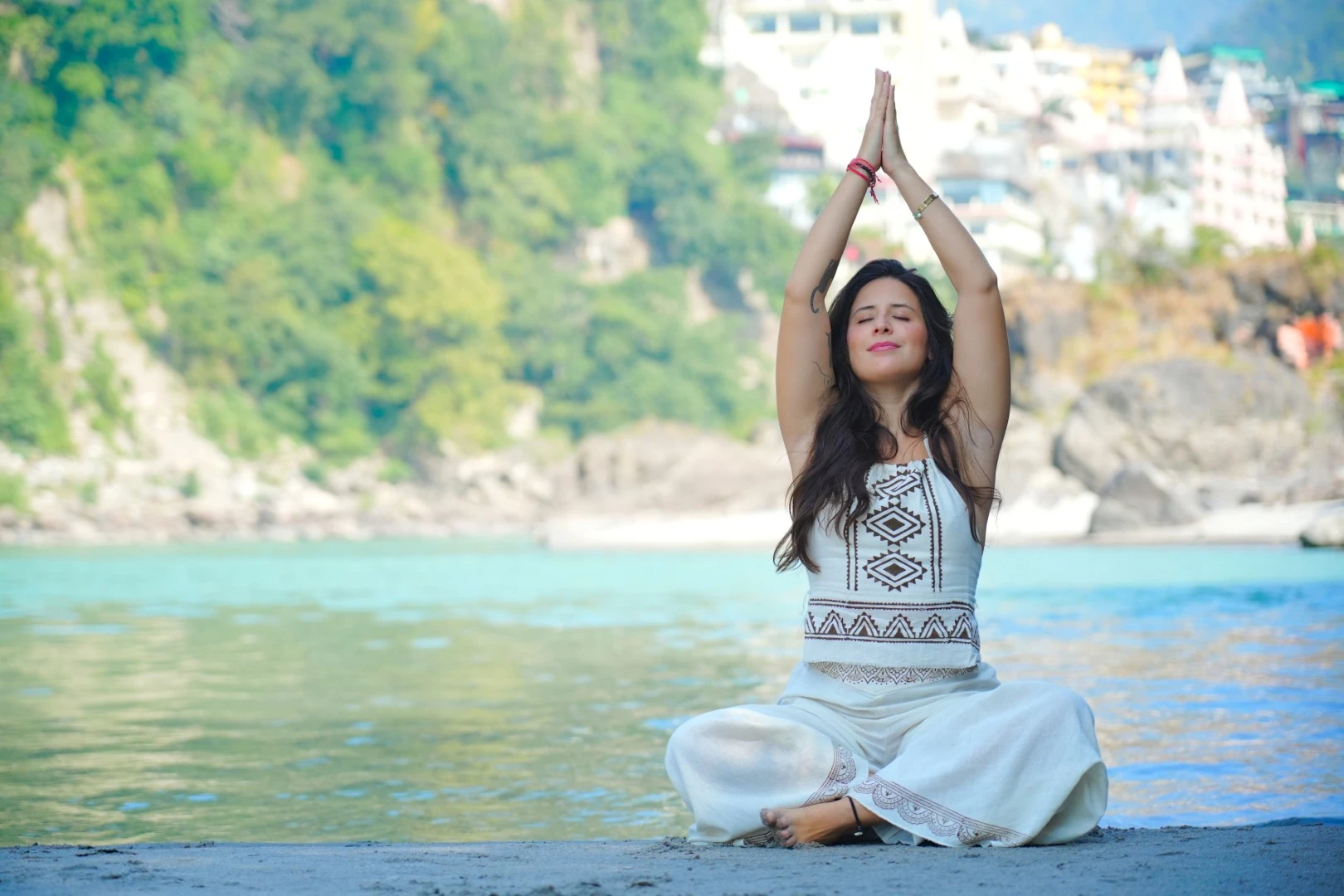
Modern life requires us to make decisions every day, from managing work responsibilities to handling personal relationships. However, constant distractions, stress, and information overload can make it difficult to think clearly. When the mind feels overwhelmed, even simple choices may become challenging. Yoga offers a practical way to slow down, develop self-awareness, and approach everyday decisions with greater calmness.
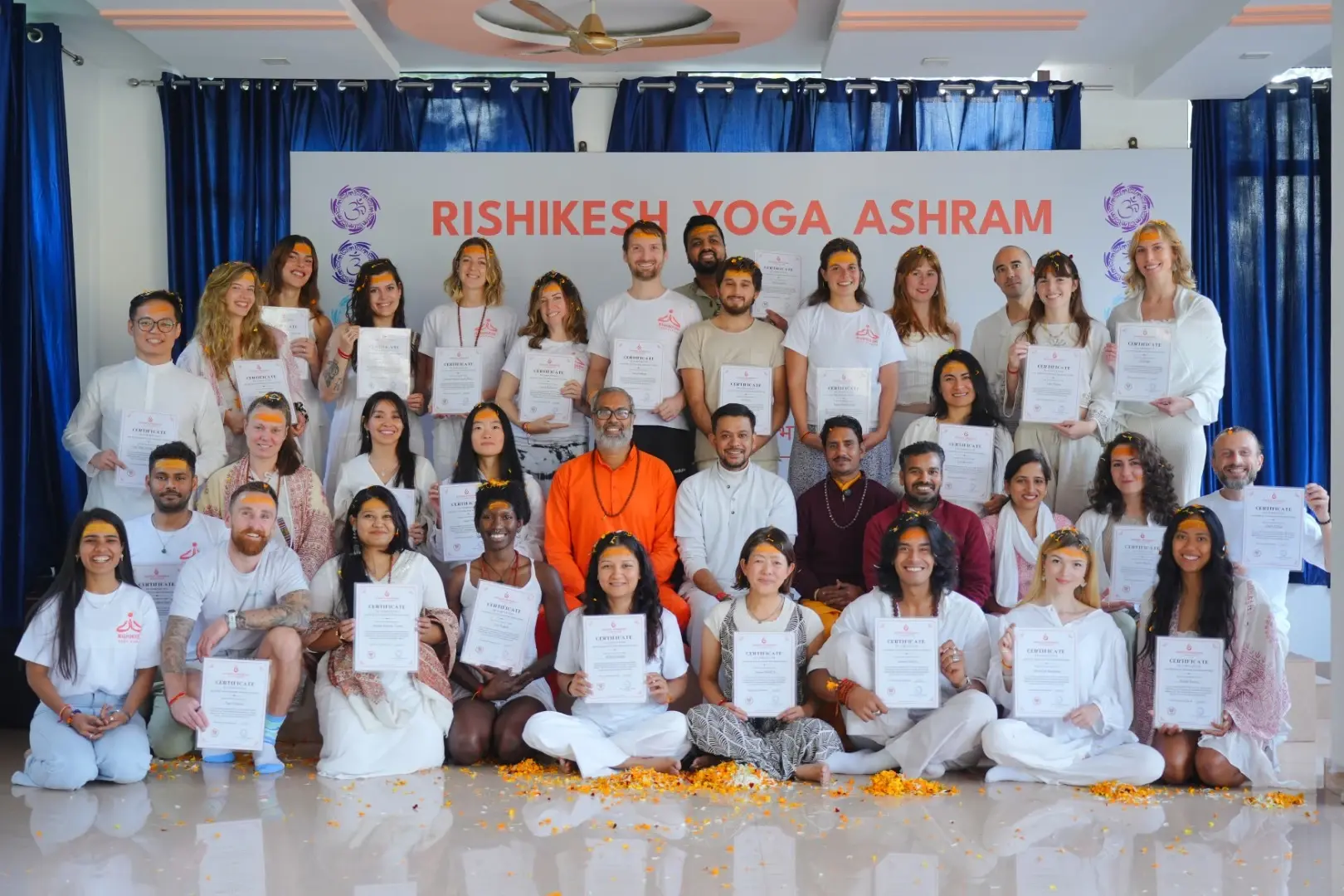
Through physical postures, breathing exercises, and meditation, yoga encourages you to pay attention to your thoughts without reacting immediately. Regular practice may help you manage stress and become more aware of your habits and emotions. Those who want to explore these traditional practices more deeply can learn through yoga teacher training in rishikesh, where yoga is studied as both a physical discipline and a way of life.
Understanding Mental Clarity and Decision-Making
Mental clarity means being able to organize your thoughts, understand a situation, and consider your options without becoming unnecessarily overwhelmed. Good decision-making involves recognizing your priorities, evaluating possible outcomes, and choosing an appropriate course of action.
Stress, tiredness, and emotional pressure can sometimes affect these processes. Although yoga cannot guarantee better decisions, it can complement healthy habits by creating opportunities for relaxation, reflection, and mindful attention.
How Yoga Supports Clearer Thinking
1. Helps Manage Everyday Stress
Stress can make it harder to think patiently and evaluate situations objectively. When you feel under pressure, you may react quickly instead of considering your options carefully.
Gentle yoga and comfortable breathing exercises provide an opportunity to pause. Taking a few minutes to relax before responding to a difficult situation may help you approach it more thoughtfully.
For example, after a demanding day at work, a short yoga session may help you transition into a calmer state before discussing an important family matter or planning the next day.
2. Encourages Self-Awareness
Making sound decisions often begins with understanding your own thoughts, emotions, and priorities. Yoga encourages you to observe physical sensations, emotional reactions, and patterns of attention.
During practice, you may notice when you become impatient, distracted, or overly critical of yourself. This awareness can help you recognize similar reactions in daily life.
Instead of automatically responding to a challenging situation, you can pause and consider what matters most before taking action.
3. Develops Patience Before Reacting
Quick reactions are not always the most helpful responses, particularly during disagreements or stressful situations. Yoga encourages patience by asking practitioners to move carefully, respect their limits, and return their attention to the present moment.
This does not mean avoiding difficult conversations or delaying every decision. Rather, it means giving yourself enough time to understand a situation before responding.
4. Improves Present-Moment Awareness
Distractions can divide your attention between past concerns, current responsibilities, and future worries. Mindful yoga encourages you to focus on one movement or breath at a time.
You can apply this principle outside your yoga session by completing one task before moving to another, listening carefully during conversations, and setting aside distractions when making important choices.
5. Supports Relaxation and Rest
A tired mind may struggle to evaluate information or manage emotions effectively. Gentle yoga and relaxation practices can become part of a healthy evening routine.
Combine yoga with consistent sleep habits, balanced meals, and regular physical activity. These lifestyle choices support general well-being and can help create better conditions for clear thinking.
Yoga Practices for Mental Clarity
You do not need an advanced yoga routine to begin developing greater awareness. Simple practices can help you pause and reconnect with the present moment.
Mountain Pose (Tadasana): Stand comfortably, notice your posture, and bring your attention to the feeling of your feet on the floor.
Child’s Pose (Balasana): Rest in a comfortable position and allow your shoulders and body to relax.
Easy Seated Pose (Sukhasana): Sit comfortably and observe your natural breathing for a few minutes.
Alternate Nostril Breathing: If comfortable and properly learned, this traditional breathing practice may provide a structured focus for attention. Keep the breath gentle and avoid holding it if uncomfortable.
Short Meditation: Sit quietly and notice your thoughts without needing to follow every one of them.
People who wish to study yoga techniques and foundational breathing practices in a structured setting may consider 200 hour yoga teacher training in rishikesh to deepen their understanding of yoga and meditation.
A Simple Daily Routine for Clear Thinking
Try this ten-minute routine when you need a peaceful break from your daily responsibilities.
Settle for one minute: Sit comfortably and relax your shoulders.
Move gently for three minutes: Practise comfortable shoulder rolls and Cat-Cow movements.
Focus on breathing for three minutes: Observe each natural breath without forcing it.
Reflect for two minutes: Identify what is currently occupying your mind.
Choose one priority for one minute: Decide which task deserves your attention first.
You can practise this routine in the morning, during a work break, or in the evening. Adjust the movements to suit your comfort and abilities.
Bringing Yoga Principles Into Everyday Decisions
Yoga becomes more useful when its principles extend beyond the mat. Before making an important decision, take a moment to identify the problem clearly. Separate what you know from what you assume, consider realistic alternatives, and think about the possible consequences.
If emotions are running high, allow yourself time to settle before responding, when circumstances permit. For complex decisions, discussing your options with a trusted person or qualified professional may also be helpful.
Advanced students interested in exploring yoga philosophy, meditation, and a more developed personal practice can learn about 300 hour yoga teacher training in rishikesh as a possible next step in their yogic education.
Common Mistakes to Avoid
One common mistake is expecting yoga to remove every doubt or provide an immediate answer to difficult questions. Yoga is not a substitute for practical reasoning, reliable information, or professional advice.
Avoid forcing difficult postures or breathing techniques in the hope of achieving faster results. Keep your practice comfortable, and remember that thoughts will naturally come and go during meditation.
The goal is not to stop thinking. It is to develop a healthier relationship with your thoughts so you can consider them without feeling controlled by every passing worry.
Conclusion
Yoga may support mental clarity and thoughtful decision-making by encouraging relaxation, self-awareness, patience, and present-moment attention. Simple postures, comfortable breathing, and brief meditation sessions can help you create space to reflect before responding to everyday challenges.
Start with a short, manageable routine and combine it with healthy sleep, practical planning, and balanced lifestyle habits. With consistent practice, yoga can become a valuable part of a calmer and more mindful approach to daily life.